
Israeli political leaders from across the spectrum have issued forceful condemnations following decisions by Australia, Britain and Canada to recognize a Palestinian state, with officials characterizing the moves as rewarding terrorism and undermining prospects for genuine peace in the region.
The unprecedented unity among Israeli politicians, spanning from the far-right to the left, reflects what officials describe as a fundamental challenge to Israeli sovereignty and an attempt by international actors to dictate the country’s future. Leaders emphasized Israel’s capacity to withstand external pressure and maintain its independence regardless of international opposition.
Finance Minister Bezalel Smotrich delivered one of the harshest responses, declaring that “the days when Britain and other countries will determine our future are over, the mandate is finished”. Smotrich called for immediate Israeli sovereignty over parts of Judea and Samaria, stating that the only appropriate response to what he termed “anti-Israeli steps” would be to “remove the folly of the Palestinian state idea from the agenda forever”. He directly addressed Prime Minister Benjamin Netanyahu, saying “this is the time and it is in your hands”.
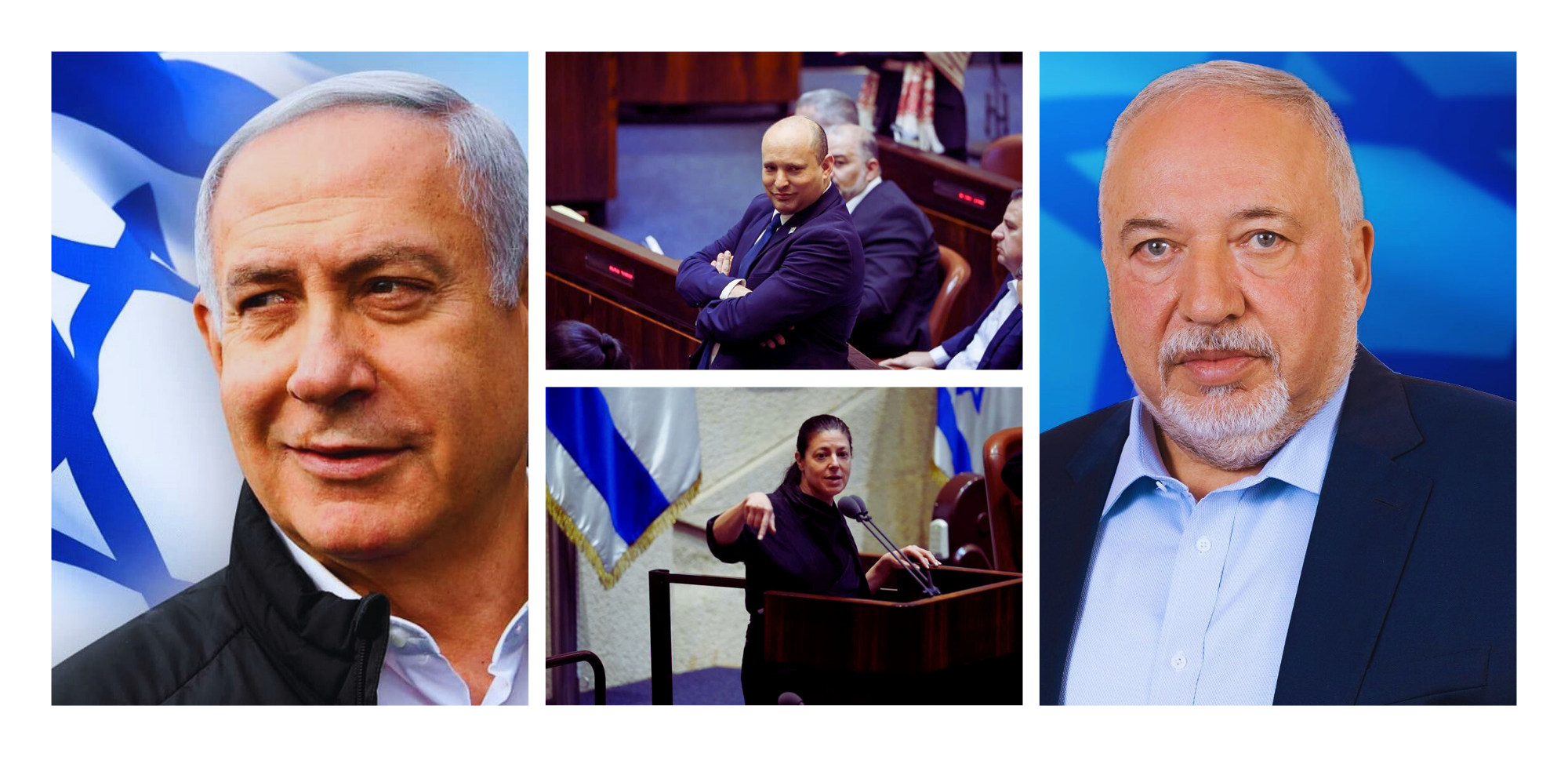
Former Prime Minister Naftali Bennett characterized Britain’s recognition decision as “cynical, harmful and devoid of content”. Bennett firmly rejected suggestions that Israeli military actions in the Gaza Strip had prompted the international recognition moves, instead framing the decisions as fundamentally misguided regardless of recent events.
Criticism also emerged from Israel’s political left, with former Labor Party chairwoman Merav Michaeli offering a particularly sharp assessment on social media platform X. Michaeli argued that the wave of Palestinian state recognitions “takes all attention away from the hostages” and suggested that international leaders know such declarations will not actually establish a Palestinian state. She described the recognitions as “simply their only way to make an emergency call” against what she termed “this damned war” and “unilateral messianic behavior”.
Michaeli went further, characterizing the international moves as “the polite way of heads of state who do behave according to what is acceptable” to signal that “Israel is being run by failed criminals who act according to short-term political whims that are destructive to the future of the state and region”.
Yisrael Beiteinu party chairman Avigdor Lieberman added his voice to the condemnations, calling the recognition decisions “hypocrisy incarnate and a prize for terrorism.” Lieberman attributed the international moves to what he described as “another terrible failure of the October 7th government”.
Prime Minister Netanyahu delivered a direct message to international leaders, stating: “I have a clear message for those leaders who recognize a Palestinian state after the terrible massacre on October 7th: you are giving a huge prize to terrorism.” His statement reflected the broader Israeli government position that such recognitions inappropriately reward violent actions and undermine legitimate peace processes.
The unified Israeli response illustrates a rare moment of cross-party consensus in the country’s typically fractured political landscape. Officials emphasized their belief that Israel possesses sufficient strength to maintain its positions despite international pressure, drawing on the country’s experience since its establishment in 1948.
Israeli leaders framed their resistance in historical terms, arguing that the state has maintained its commitment to defending world Jewry and Judaism in ways that were impossible during the 1940s. This historical perspective underlies the current government’s assertion that Israel can preserve its independence and security even without support from traditional allies.
The controversy raises fundamental questions about the extent to which foreign governments can influence Israeli policy and the limits of international pressure on sovereign decision-making. Israeli officials emphasized that their country can survive and maintain its independence without participation in international organizations such as FIFA, the Olympics, or Eurovision, and without the backing of countries like Britain or Australia.
The Israeli government has positioned the recognition decisions as steps that reward terrorism while harming genuine prospects for peace. Officials argue that such moves encourage violent tactics rather than promoting negotiations and compromise between the parties.
The broad consensus among Israeli political figures represents a significant development in the country’s usually divided political environment. The unity spans ideological divides and reflects what the political establishment perceives as a serious challenge to Israeli sovereignty and security interests.
Israeli leaders have characterized the international recognition moves as reflecting a double standard toward Israel, particularly given the timing following the October 7th attacks. Officials suggest that Western countries are attempting to weaken Israel precisely when it is engaged in defending itself against security threats.
The strong Israeli response indicates a determination to resist what officials view as external attempts to dictate the country’s future and to maintain independence in decision-making regarding territorial and security matters. Leaders emphasized their commitment to preventing any return to what they characterized as a previous state of weakness and dependency that existed before Israeli statehood.