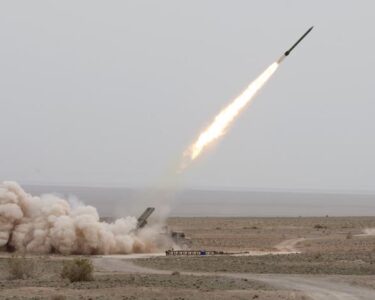

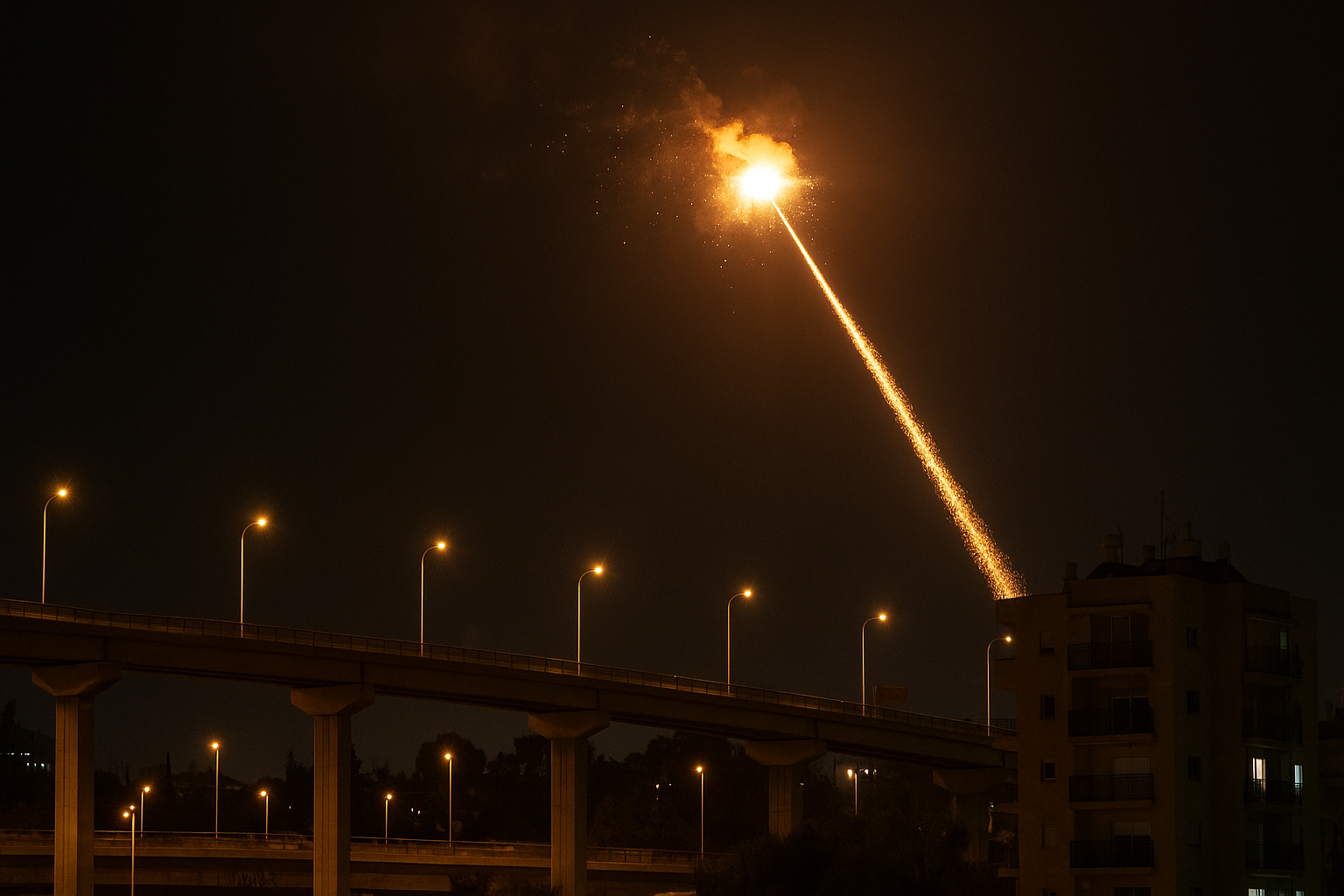
At 03:51 on Saturday morning, Israeli residents were jolted awake by air raid sirens across several regions of the country, once again sending families racing into shelters in the middle of the night. According to the Israel Defense Forces (IDF), a missile launched from Yemen was successfully intercepted, and alerts were triggered in line with established defense procedures. No casualties were reported, but the disruption underscored the ongoing strain on civilians facing repeated nighttime alarms and the threat of incoming fire.
The incident occurred just two days after Defense Minister Israel Katz issued a pointed warning to Yemen following a series of strikes carried out by Israel. In a statement posted on X on September 11, Katz declared: “We promised more strikes, and today we prepared another painful blow to the Houthi terrorist organization in Yemen. The IDF has now attacked in Sana’a and additional locations throughout Yemen, targeting military camps populated by Houthi terrorist operatives, including the Houthi propaganda apparatus, as part of Operation ‘Bell Chimes’”. He further emphasized that “the long arm of the State of Israel will reach and strike terror wherever it may be and wherever threats to our citizens emerge”.
The Defense Minister’s remarks came as part of Israel’s expanding military response to repeated Houthi attacks originating from Yemen. Operation “Bell Chimes,” formally announced earlier this week, is intended to disrupt the Houthis’ military infrastructure and communications systems while deterring further rocket fire. Israeli airstrikes have so far targeted sites in Sana’a and additional locations across Yemen, including facilities described as housing the Houthis’ propaganda networks.
Saturday’s missile launch and interception illustrate the multi-front challenges facing Israel’s security establishment. While the IDF has invested heavily in defense systems capable of detecting and neutralizing long-range threats, the incident highlights the recurring reality of civilians being forced into shelters, often in the dead of night. Families in the affected regions reported interrupted sleep and renewed anxieties as sirens sounded once again, adding to a cycle of disruption that has become a feature of daily life under persistent regional threats.
For Israel’s defense planners, the exchange with Yemen represents only one dimension of a wider security environment. Military and intelligence forces are currently engaged in managing risks across several arenas simultaneously. The latest fire from Yemen, part of the Houthis’ broader campaign against Israel, fits into this complex operational picture, requiring Israel to balance deterrence, targeted strikes, and the maintenance of civilian safety. The Defense Ministry has repeatedly stressed that it will act decisively against any attempt to harm Israeli territory or citizens, regardless of the origin of the threat.
The Houthis, aligned with Iran, have increasingly sought to project their reach into the broader Middle East, with attacks against Israel adding another layer to an already volatile regional dynamic. Israel’s campaign in Yemen is therefore seen as part of a larger confrontation against Iranian-backed militant groups operating in multiple theaters, including Lebanon, Syria, Iraq, and Gaza. The targeting of both military camps and communications hubs in Yemen reflects Israel’s dual aim: to degrade the Houthis’ operational capacity and to undermine their ability to mobilize public support through propaganda channels.
Despite the successful interception on Saturday, Israeli authorities cautioned that the threat is far from over. Alerts are expected to continue in the near term, and citizens have been urged to remain vigilant and to adhere strictly to Home Front Command instructions. Officials acknowledged the toll that repeated sirens and shelter descents take on daily life, particularly for families with children and for vulnerable populations. Yet they stressed that maintaining readiness is essential given the broad campaign Israel is conducting across multiple fronts.
Saturday’s attack also underscores the unpredictability of the conflict’s trajectory. The IDF has described Operation “Bell Chimes” as ongoing, suggesting that further strikes in Yemen are likely. Defense Minister Katz’s vow that Israel’s reach will extend “wherever threats to our citizens emerge” signals that Israel intends to sustain pressure on the Houthis and other adversaries in the region. At the same time, the continuation of nighttime alerts and shelter descents reflects the enduring reality that Israel’s civilian population remains at the forefront of the security equation.
For residents across the country, the latest missile launch and interception were less an isolated event than part of a continuum of security challenges. With Israel confronting threats from Yemen in addition to other regional flashpoints, the sense of a nation under pressure remains acute. The government has presented Operation “Bell Chimes” as a necessary step in defending its citizens, projecting strength in the face of ongoing attacks. However, the repeated sirens serve as a stark reminder of the vulnerability felt by civilians navigating life under constant alert.
As Israel continues its campaign against the Houthis, the balance between military action abroad and civilian resilience at home will remain central to its security strategy. Saturday’s interception may have prevented physical harm, but it reinforced the psychological weight carried by a population that has grown accustomed to the sound of sirens in the night. The IDF’s operations, coupled with the Defense Minister’s uncompromising rhetoric, suggest that the conflict with Yemen’s Houthi movement is unlikely to recede soon. Instead, it appears set to remain a significant component of Israel’s multi-front struggle to safeguard its territory and its people.