
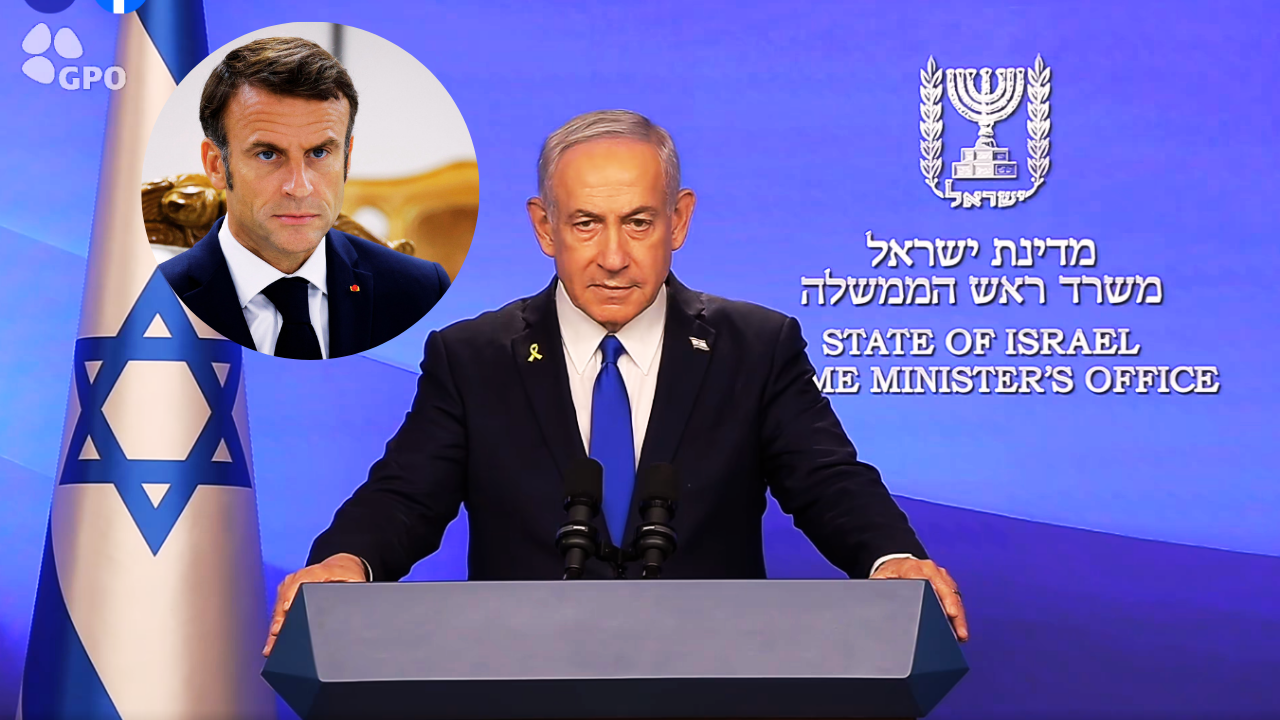
A major diplomatic crisis has erupted between Israel and France following Prime Minister Benjamin Netanyahu’s refusal to permit French President Emmanuel Macron to visit Israel. The unprecedented rejection stems from Macron’s announcement of his intention to recognize a Palestinian state at the upcoming United Nations General Assembly in New York, with Netanyahu conditioning any presidential visit on France withdrawing this recognition plan.
The confrontation marks what sources describe as a significant rupture in bilateral relations between the two nations. Macron has positioned himself as a leading international advocate for Palestinian state recognition and has launched a coordinated diplomatic offensive that extends beyond symbolic gestures to concrete political action.
The French president has publicly criticized the Trump administration’s decision to deny visas to Palestinian representatives ahead of the UN assembly, calling the American move “unacceptable”. In response, Macron announced he would co-chair a two-state solution conference in New York on September 22, partnering with Saudi Crown Prince Mohammed bin Salman. The French leader stated his objective is to mobilize comprehensive international support for the two-state solution, which he characterized as “the only way to fulfill the legitimate aspirations of both peoples”.
Macron’s diplomatic initiative encompasses several substantive policy proposals. His action plan calls for establishing a permanent ceasefire, securing the release of all hostages currently held in Gaza, facilitating the transfer of extensive humanitarian aid to Gaza residents, and deploying an international force to the Gaza Strip. Additionally, the French proposal demands the complete disarmament of Hamas and the removal of the organization from any governmental responsibilities in Gaza, while simultaneously strengthening the Palestinian Authority and implementing comprehensive rehabilitation programs for the territory.
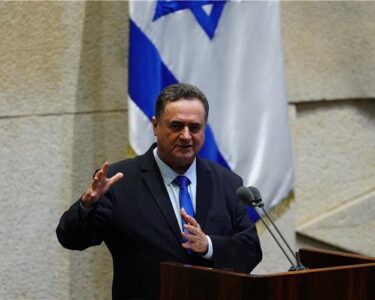
The Israeli government has responded with sharp criticism of the French president’s actions. Foreign Minister Gideon Sa’ar delivered a pointed rebuke, alleging that Macron prioritizes securing US visas for Palestinian Authority personnel over addressing fundamental issues in the conflict. Sa’ar accused the French leader of failing to object to what he described as systematic incitement against Israel and Jews within the Palestinian education system, and of ignoring the Palestinian Authority’s financial support system for individuals convicted of terrorist activities and their families.
The Israeli foreign minister emphasized that the Palestinian Authority’s compensation system operates on a scale where more severe terrorist crimes result in higher financial rewards. Sa’ar characterized Macron’s diplomatic efforts as external interference by a party not directly involved in the conflict, arguing that the French president operates without understanding the regional reality following the October 7 attacks. According to the Israeli official, Macron’s initiatives destabilize the region and encourage dangerous unilateral actions that will neither advance peace nor enhance security.
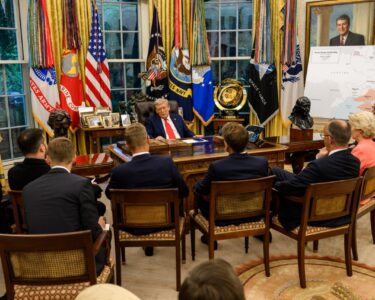
Simultaneously, significant developments have emerged from Washington regarding Palestinian participation in international forums. Secretary of State Marco Rubio implemented a decision to prevent several Palestinian leaders from entering the United States for the UN General Assembly, including Palestinian Authority Chairman Mahmoud Abbas. Rubio canceled the visas based on US legislation that prohibits recognition of a Palestinian state and imposes sanctions related to payments to terrorist organizations.
Internal State Department documents indicate that Rubio signed formal recommendations to block visa applications from senior Palestinian Authority and Palestine Liberation Organization officials. State Department spokesperson Tommy Pigott explained that the visa rejections align with US national security legislation, under which the Secretary of State maintains authority to deny applications from PLO and Palestinian Authority members. Pigott stated that before the United States can engage seriously with Palestinian leadership, the Palestinian Authority and PLO must condemn terrorism, cease legal proceedings at The Hague, and abandon efforts to advance unilateral Palestinian state recognition.
Israel’s UN Ambassador Danny Danon praised the American decision, describing it as demonstrating moral clarity by President Trump and Secretary Rubio. Danon stated that the message conveyed is unambiguous: individuals cannot simultaneously support terrorism and participate in United Nations proceedings. However, the Israeli ambassador noted uncertainty regarding whether Abbas would ultimately be prevented from attending, given that world leaders typically receive permission to address the UN General Assembly.
The current crisis presents a significant challenge to Israel-France relations, which have experienced increasing strain since October 7. The divergence in positions between Jerusalem and Paris has steadily widened, with Israel viewing Macron’s diplomatic initiatives as unwelcome interference that threatens Israeli security interests, while France continues advocating for diplomatic solutions based on two-state framework principles.
Netanyahu’s refusal to authorize Macron’s visit represents a clear signal to the international community regarding Israel’s position on external pressure concerning Palestinian state recognition. The decision demonstrates that Israel will resist such pressure even when it originates from traditionally friendly nations like France. The Israeli action illustrates the government’s commitment to maintaining its policy positions despite potential damage to important bilateral relationships.
The escalating tension between Israel and France occurs within the context of mounting international pressure on Israel to accept a two-state solution framework. The Macron-bin Salman partnership represents an effort to construct an international coalition capable of imposing a solution framework that Israel considers fundamentally threatening to its future security and sovereignty. Confronted with this diplomatic reality, Israel finds itself in the position of accepting deteriorating relationships with traditional allies while becoming increasingly dependent on American support.
The rejection of the French presidential visit constitutes a warning to the international community that Israel will respond decisively to attempts to dictate terms or impose solutions that fail to account for Israeli security concerns and what it considers its legitimate rights and interests in any future arrangement.