
Turkey is mounting an intensifying diplomatic and economic assault on Israel as part of a broader strategy to establish itself as a dominant force in Middle East politics, according to analysis of recent government actions, policy statements, and coordinated media campaigns. While no direct military confrontation appears imminent, the comprehensive system of pressures Ankara is deploying represents an unprecedented escalation in bilateral tensions that extends across political, economic, and public opinion battlegrounds.
In recent weeks, Turkey’s Foreign Ministry has issued a cascade of harsh statements condemning Israel, including accusations of ceasefire violations in the Gaza Strip, deliberate civilian targeting, and systematic breaches of international law. Ankara has characterized Israel as a destabilizing force in the region, claiming its Gaza operations constitute “clear violations” of international agreements. Turkish diplomats have simultaneously accused Israel of waging “dirty propaganda” and disseminating falsehoods about Turkey itself. The diplomatic language employed marks a dramatic departure from conventional state-to-state discourse, crossing boundaries typically observed in international relations.
Beyond inflammatory rhetoric, Turkey has enacted dramatic economic measures against Israel. The Turkish Trade Ministry has imposed a comprehensive blockade on all bilateral imports and exports—a measure described as temporary but remaining fully operational. While Ankara frames the economic embargo as retaliation for what it characterizes as Israel’s “prevention of humanitarian aid to Gaza”, the action represents an unprecedented use of trade as a coercive instrument. The blockade signals Turkey’s willingness to deploy aggressive economic warfare tactics to reshape Israeli policy decisions.
The Turkish media landscape has adopted particularly incendiary discourse toward Israel throughout recent months. Academic research conducted at Turkish universities reveals extraordinarily high levels of public hostility toward Israel, with surveys indicating that over 90 percent of Turkish citizens reject Israel’s self-defense justifications. These findings illuminate both the depth of anti-Israel sentiment among the Turkish population and the effectiveness of government and media institutions in cultivating domestic pressure that fuels continuous rhetorical escalation.
Regional analysts and European research institutions present a broader strategic context for Turkey’s actions. Ankara is actively positioning itself as a central authority in managing the Palestinian conflict and other regional disputes. Turkish demands for active participation in reconstructing conflict zones, serving as a mediator, and establishing direct involvement in Gaza represent more than expressions of Palestinian solidarity – they constitute elements of a comprehensive strategy to secure dominant regional status. These ambitions directly conflict with Israeli interests, which aim to limit additional actors from entering regional decision making processes.
Turkish officials have established explicit preconditions for any normalization of relations with Israel. Repeated statements from Ankara emphasize that diplomatic rapprochement will require unimpeded humanitarian aid access to Gaza, commitment to durable ceasefire arrangements, and adoption of policies aligned with Palestinian interests as defined by Turkey. This framework represents a calculated effort to apply indirect pressure on Israel—not through military channels but via coordinated political and economic leverage – designed to compel policy modifications.
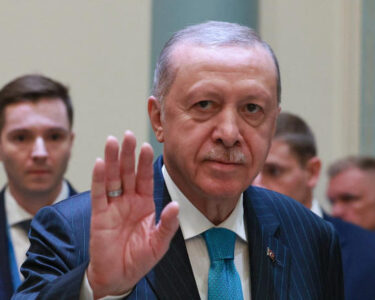
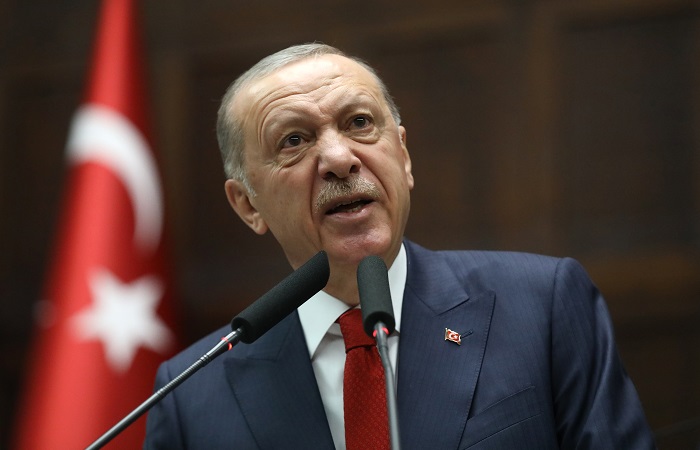
Recent analyses document Turkey’s intensified efforts to shape international public opinion through orchestrated media campaigns. Concurrently, harsh personal criticism has been directed at individual Israeli officials. Turkish President Recep Tayyip Erdoğan has publicly portrayed Israel as an illegitimate aggressor state threatening regional peace. Turkish media outlets have published reports characterizing Israeli actions as attacks on Turkey’s sovereignty and independence. These are not isolated incidents but components of a systematic media strategy.
Evidence indicates Turkey is deploying a coordinated combination of soft power and economic leverage designed to maximize pressure on Israel. At times, Ankara has attempted to circumvent established international frameworks to position itself as the leading voice in regional policy discussions. The Turkish approach operates on three principal axes: employment of harsh diplomatic language that blurs conventional norms; implementation of aggressive economic measures that weaponize trade relations; and execution of media campaigns cultivating hostile public consciousness toward Israel both domestically and internationally.
While no explicit military threat from Turkey exists on the immediate horizon – a crucial distinction – the aggregate trend raises significant concerns. The convergence of inflammatory rhetoric, unprecedented economic actions, and unilateral diplomatic preconditions suggests a Turkish policy aimed at fundamentally altering Israeli regional behavior. Turkey is attempting to compel Israel toward policies conforming to Turkish strategic interests while exploiting diplomatic, economic, and media instruments as pressure mechanisms.
The evolving situation demands serious Israeli attention to Turkish maneuvers. The intersection of aggressive rhetoric, hostile economic policies, and Turkey’s expanding Middle East influence could generate unanticipated pressures. Ankara is demonstrating readiness to employ diverse tools in pursuit of reshaping regional geopolitical dynamics, accepting potential damage to its Israeli relations and broader international standing as an acceptable cost of advancing its strategic objectives.