
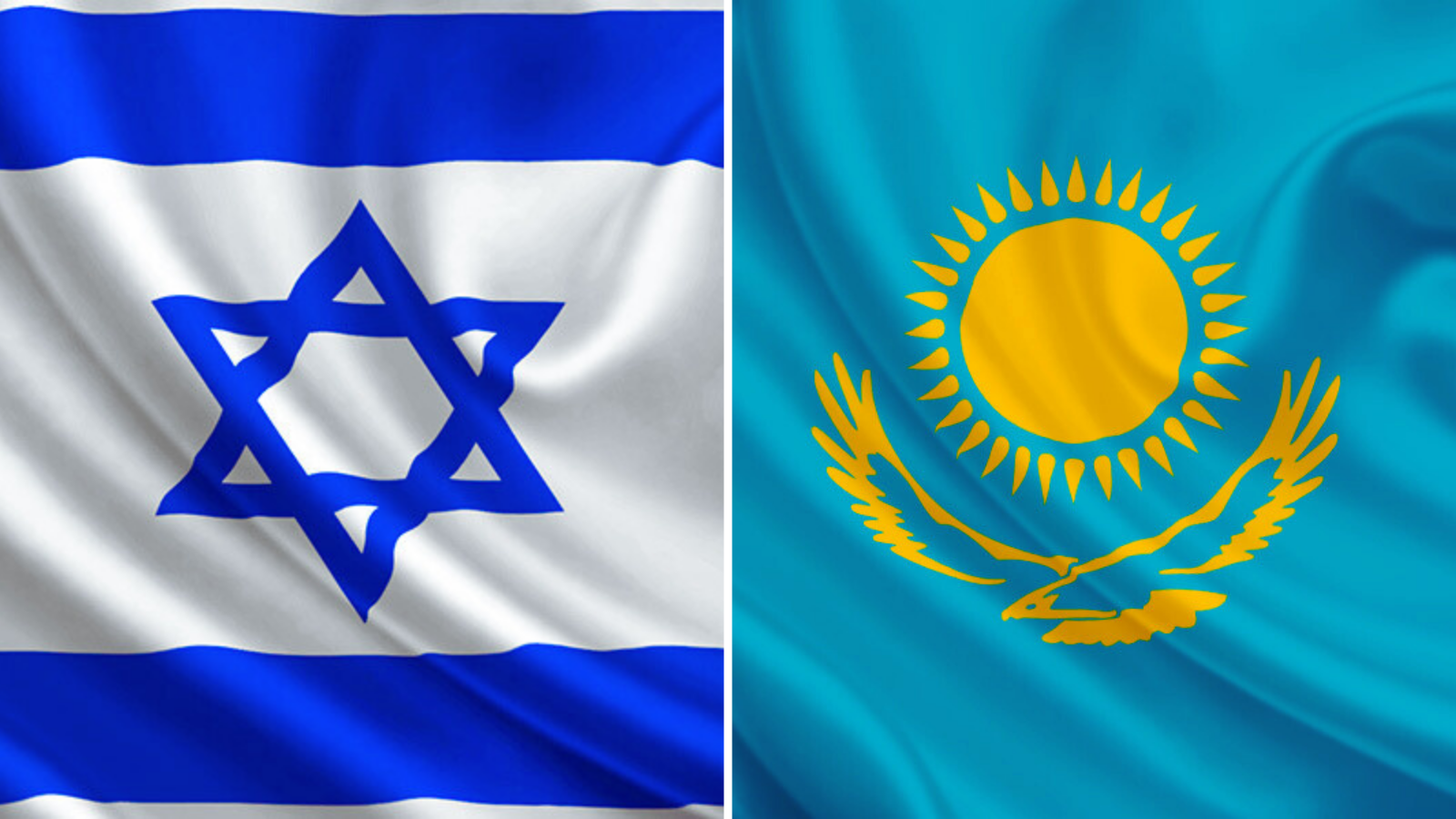
Kazakhstan’s anticipated accession to the Abraham Accords has been presented by some as a significant diplomatic achievement, but a closer examination of the decades-long relationship between Israel and the Central Asian nation reveals a far less dramatic reality. The move represents little more than formal recognition of an existing relationship rather than the groundbreaking development it is being portrayed as.
Israel and Kazakhstan established full diplomatic relations three decades ago, shortly after the dissolution of the Soviet Union and Kazakhstan’s emergence as an independent state in Central Asia. Since 2017, Israeli citizens have traveled to Kazakhstan without requiring visas, a privilege that reflects the depth and maturity of bilateral ties. The countries have maintained robust economic cooperation, cultural exchanges, and commercial partnerships for years, making any new formal agreement largely symbolic rather than transformative.
The historical record of high-level visits between the two countries further underscores the established nature of their relationship. Prime Minister Benjamin Netanyahu made a historic visit to Kazakhstan in December 2016, becoming the first Israeli prime minister to travel to the country, where he met with then-President Nursultan Nazarbayev. Before Netanyahu, former President Shimon Peres visited Kazakhstan as early as 2009, demonstrating that engagement at the highest levels has been a feature of bilateral relations for well over a decade.
A Kazakh source speaking to the Israeli newspaper Haaretz provided perhaps the most candid assessment of the situation, acknowledging that discussions regarding the Abraham Accords have been ongoing for an extended period. “We may sign something, but it will be declarative only because we already have relations with Israel and cooperation in various fields”, the source stated, effectively confirming that the anticipated accession would serve primarily as a ceremonial gesture rather than a substantive policy shift.
This assessment strips away the diplomatic veneer and reveals the true nature of what is being proposed. Should Kazakhstan formally join the Abraham Accords, the signing would essentially constitute an official endorsement of the status quo – a diplomatic formality that adds a prestigious label to a relationship system already functioning effectively. Economic ties, security cooperation, and academic exchanges between Israel and Kazakhstan are already operational realities. Diplomatic channels are active and productive, and the absence of visa requirements for Israeli citizens traveling to Kazakhstan demonstrates the ease of bilateral movement that already exists.
The significance of Kazakhstan’s potential accession becomes even more modest when contrasted with what would constitute genuine diplomatic breakthroughs in the region. If Saudi Arabia were to join the Abraham Accords, such a development would represent a seismic shift in Middle Eastern geopolitics with the potential to reshape the region for generations. The Kingdom’s participation would carry enormous symbolic and practical weight, fundamentally altering the diplomatic landscape and potentially encouraging other Arab nations to follow suit.
Similarly, if Indonesia – the world’s largest Muslim-majority country – were to normalize relations with Israel and join the accords, it would signal a profound ideological transformation in how significant portions of the Islamic world view the Israeli-Palestinian conflict and Israel’s place in the international community. Such a move would carry implications far beyond bilateral relations, potentially influencing attitudes across Southeast Asia and beyond.
Kazakhstan, despite being an important Central Asian nation with strategic and economic significance, does not represent such a transformative development. The relationship between Nur-Sultan and Jerusalem is already mature, multifaceted, and functioning smoothly. What Kazakhstan’s accession offers is not a revolutionary change but rather membership in what might be termed a more prestigious diplomatic club – a status upgrade that carries symbolic value but minimal practical impact.
The fundamental question that emerges from this situation is why attention and diplomatic energy are being directed toward formalizing what already exists, rather than pursuing the truly consequential breakthroughs that remain elusive. The countries whose participation in normalization agreements would genuinely alter regional dynamics remain absent from the process, even as efforts are made to generate enthusiasm over what amounts to diplomatic paperwork for an already-established relationship.
Kazakhstan’s formal association with the Abraham Accords, should it materialize, is neither objectionable nor insignificant. It represents a legitimate diplomatic step and carries positive symbolism. However, portraying it as a major breakthrough or comparing it to the original signatories of the Abraham Accords – countries that had no prior formal relations with Israel – creates a misleading narrative. The Kazakh step is evolutionary, not revolutionary; it is an enhancement of existing ties rather than the creation of new ones. In the pursuit of genuine peace and normalization in the region, the distinction between real transformation and diplomatic theater matters considerably.