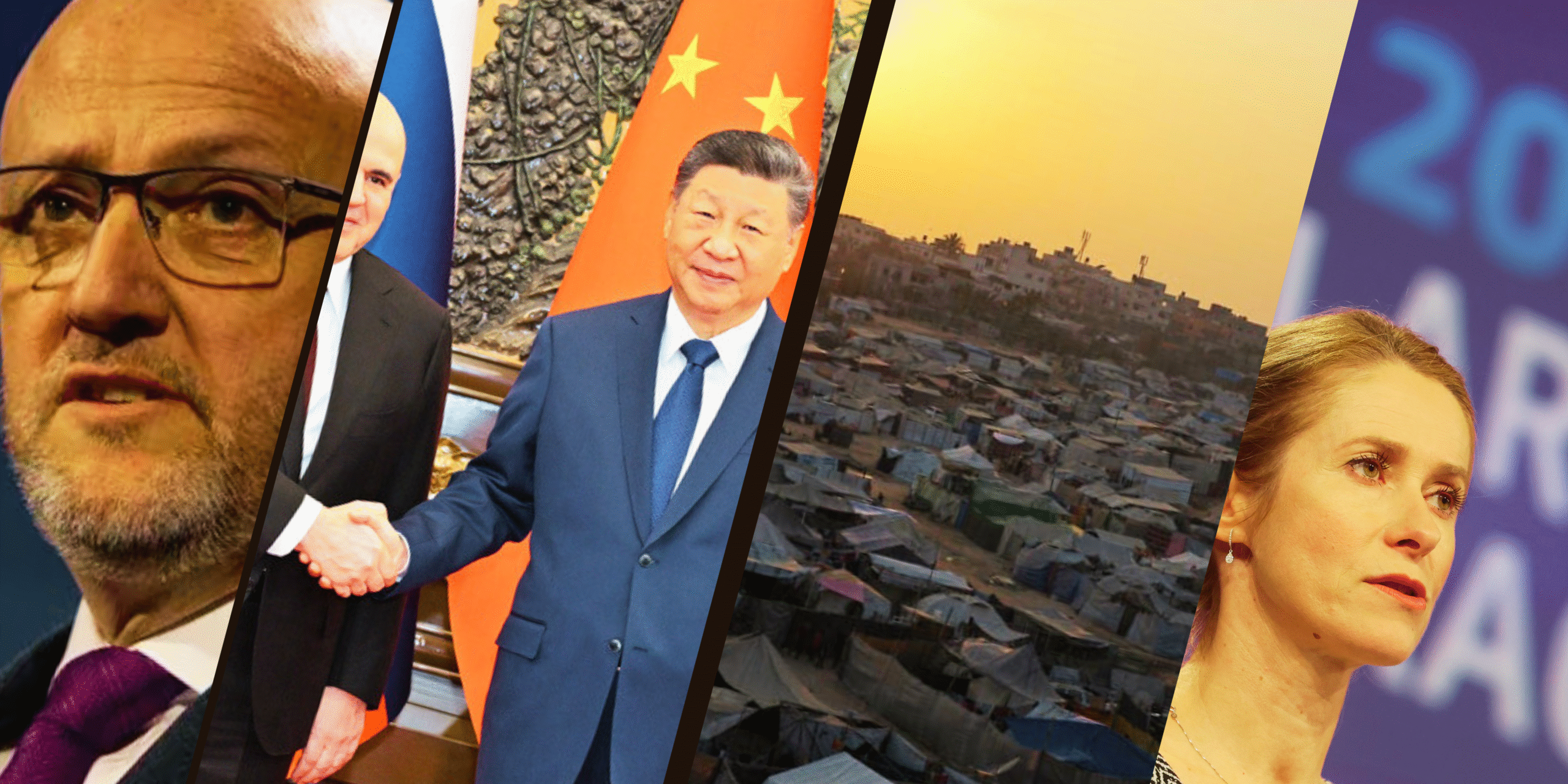
The fourth of November 2025 unfolded as a day of significant geopolitical shifts, humanitarian crises, and scientific advances across the globe, painting a complex portrait of a world navigating multiple simultaneous challenges from the ballot box to the battlefield.
In the United States, voters headed to polling stations for local and state elections in an off-year marked by heightened political scrutiny. Key races in New York, New Jersey, and Virginia drew national attention as observers examined results for insights into the public mood during the second year of President Donald Trump’s second term. Meanwhile, the White House issued a presidential order updating reciprocal tariffs with China, following an economic agreement signed on October 30. The agreement includes Chinese commitments to ease control of critical exports and increase purchases of American agricultural products, reflecting ongoing attempts to stabilize the complex economic relationship between the world’s two largest economies.
Across the Atlantic, the war in Ukraine continued its brutal trajectory with fierce urban combat engulfing the city of Pokrovsk in Donetsk. Russia claimed to be tightening its encirclement of the city, while Ukrainian forces reported ongoing fighting amid the ruins. The battle represents yet another urban center being consumed by heavy human and material costs, with every house and street transformed into contested ground. Despite the grinding warfare, President Zelensky welcomed the European Commission’s expansion package for 2025, a symbolic gesture toward Ukraine’s European aspirations even as the nation remains locked in conflict. Senior European Union officials acknowledged significant Ukrainian progress while emphasizing strict requirements regarding the rule of law.
The European Commission released its comprehensive annual expansion report for 2025, charting the future trajectory of the Union’s growth. The document identified Montenegro, Albania, Moldova, and Ukraine as the most advanced candidates in the accession process, with a potential admission target of 2030. However, the Commission issued sharp warnings about democratic backsliding in Serbia and Georgia, clarifying that no shortcuts would be permitted and that all candidate countries must meet the necessary criteria for membership.
In the Middle East, the Palestinian-Israeli arena remained at the center of international focus. A senior Hamas source claimed today that an agreement had been reached with the Palestinian Authority to establish a temporary committee for managing the Gaza Strip on behalf of the Authority. The report emerged amid deep internal Palestinian disputes and continuing international contacts aimed at achieving a settlement. Separately, according to an Australian report, Washington is advancing plans for a stabilization force in Gaza by 2027 as part of a broader initiative in cooperation with the United Nations, though details remain under development and the proposal has not yet been formalized into a detailed plan.
Across Asia, Chinese President Xi Jinping called for deepened cooperation in energy, infrastructure, agriculture, and space sectors, while pushing for advances in artificial intelligence, digital economy, and green development. In a related development, Reuters reported a significant decrease in China’s carbon emissions during the first half of 2025, attributed to massive investments in green technologies. In Australia, the head of the Australian Security Intelligence Organisation issued an extraordinary warning that at least three countries are prepared to conduct assassinations on Australian soil. The warning also referenced attempts to steal secrets related to the AUKUS security partnership. In Japan, routine diplomatic activity continued as the Cabinet Office held daily press conferences on policy matters and the Deputy Foreign Minister received a delegation from a peace and construction program.
Canada published its 2025 federal budget titled “Strong Canada,” marking the first budget under Prime Minister Mark Carney. According to Reuters, the budget deficit has doubled as the government attempts to curb trade friction with the United States and stimulate domestic investment. Concurrently, Canadian forces are participating in the Talisman Sabre military exercise in Australia, part of efforts to strengthen partnerships across the Indo-Pacific region.
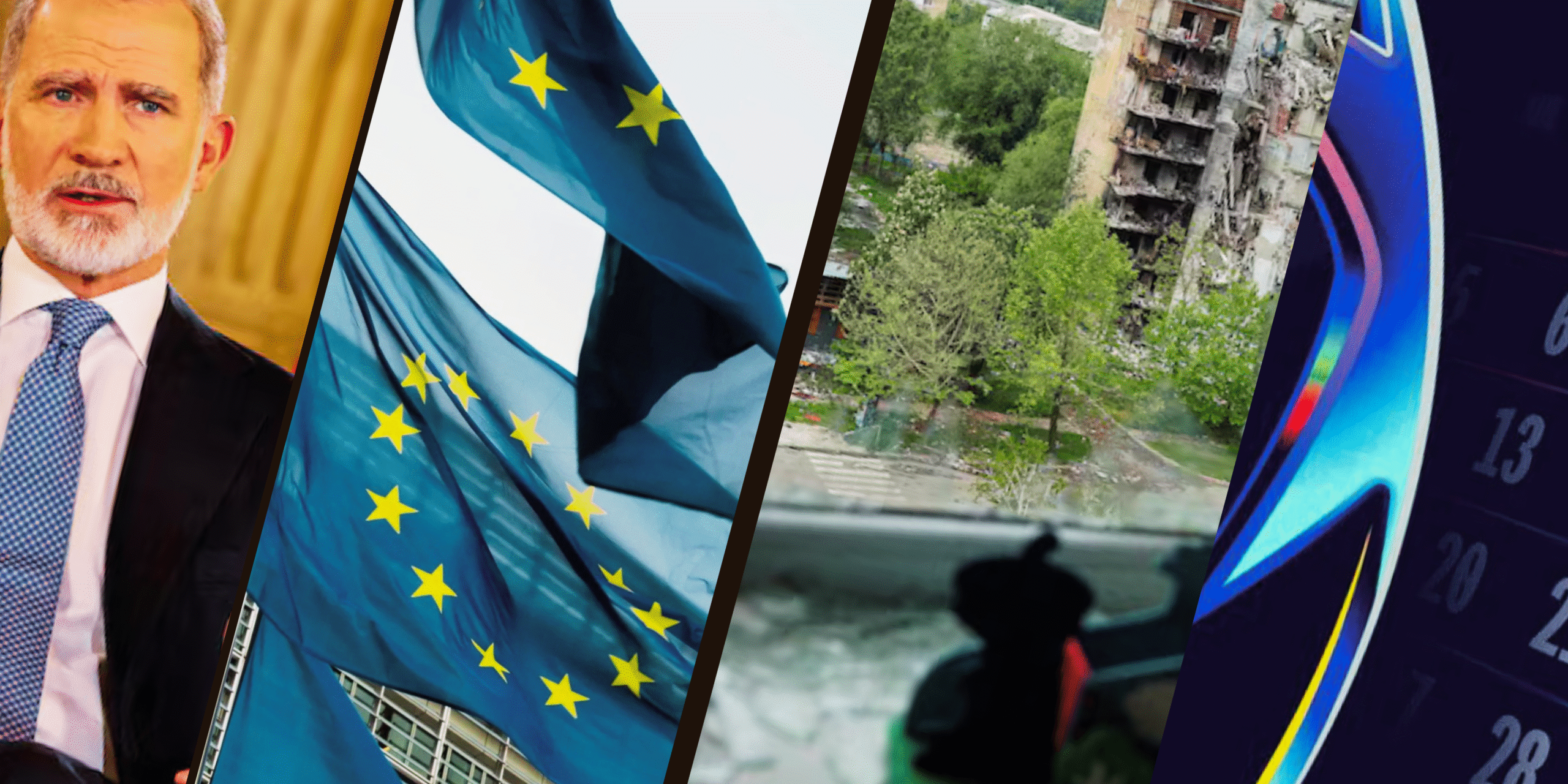
In Africa, the humanitarian situation in Sudan deteriorated further. Human rights organizations called for an emergency session of the Human Rights Council in Geneva following the fall of El Fasher to Rapid Support Forces, accompanied by disturbing reports of war crimes and ethnic violence. In West Africa, the International Organization for Migration launched a regional initiative to improve responses to missing persons along migration routes, working in cooperation with regional governments.
The scientific and medical communities announced several significant breakthroughs. Researchers at the University of Sydney mapped a “pain map” in the brainstem, potentially paving the way for targeted pain treatments not based on opiates. Scientists at Weill Cornell Institute successfully blocked the source of free radicals in astrocytes, reducing inflammation and protecting neurons in research that could offer new therapeutic targets for dementia. Researchers from Wake Forest Institute demonstrated a method to “drown” cancer cells by disrupting the removal of oxidative waste within cells, an approach that may generate novel directions for treating malignant diseases. The US Department of Energy renewed $625 million in funding for five national quantum computing centers, with Brookhaven Laboratory detailing hardware targets and modular architectures. In China, reports indicated targets for breakthroughs in green hydrogen technology as part of the 15th five-year plan beginning in 2026.
The cultural sphere continued to grapple with the reverberations of the Gaza conflict. According to French newspaper Le Monde, the world of music faces ongoing protests, boycott calls, and heated discussions ahead of Eurovision 2026, affecting both pop and classical music communities.
European sports produced unexpected Champions League results in the evening fixtures. Liverpool fell to Real Madrid 1-0, Atletico Madrid succumbed to Union Saint-Gilloise 3-1, Arsenal defeated Slavia 3-0, PSG lost to Bayern Munich 2-1, and Tottenham thrashed Copenhagen 4-0.
On matters of antisemitism, updated reports from Israeli and international organizations documented a sustained upward trend since 2023, with continuous monitoring data available to the public. Diplomatically, the King of Spain is preparing a rare state visit to Beijing scheduled for November 10-13, signaling deepening economic ties amid broader tensions between China and the European Union. China has extended visa exemptions to additional countries, while Japan indicated interest in pursuing a summit with North Korea to address the issue of Japanese abductees.
From electoral politics to armed conflict, from humanitarian crises to scientific innovation, November 4, 2025 demonstrated the interconnected nature of global events, each development contributing to the complex mosaic of international reality that defines the contemporary world order.
Photos from sources: CNN, ABC, AP, Reuters, The Times of Israel, The Guardian